
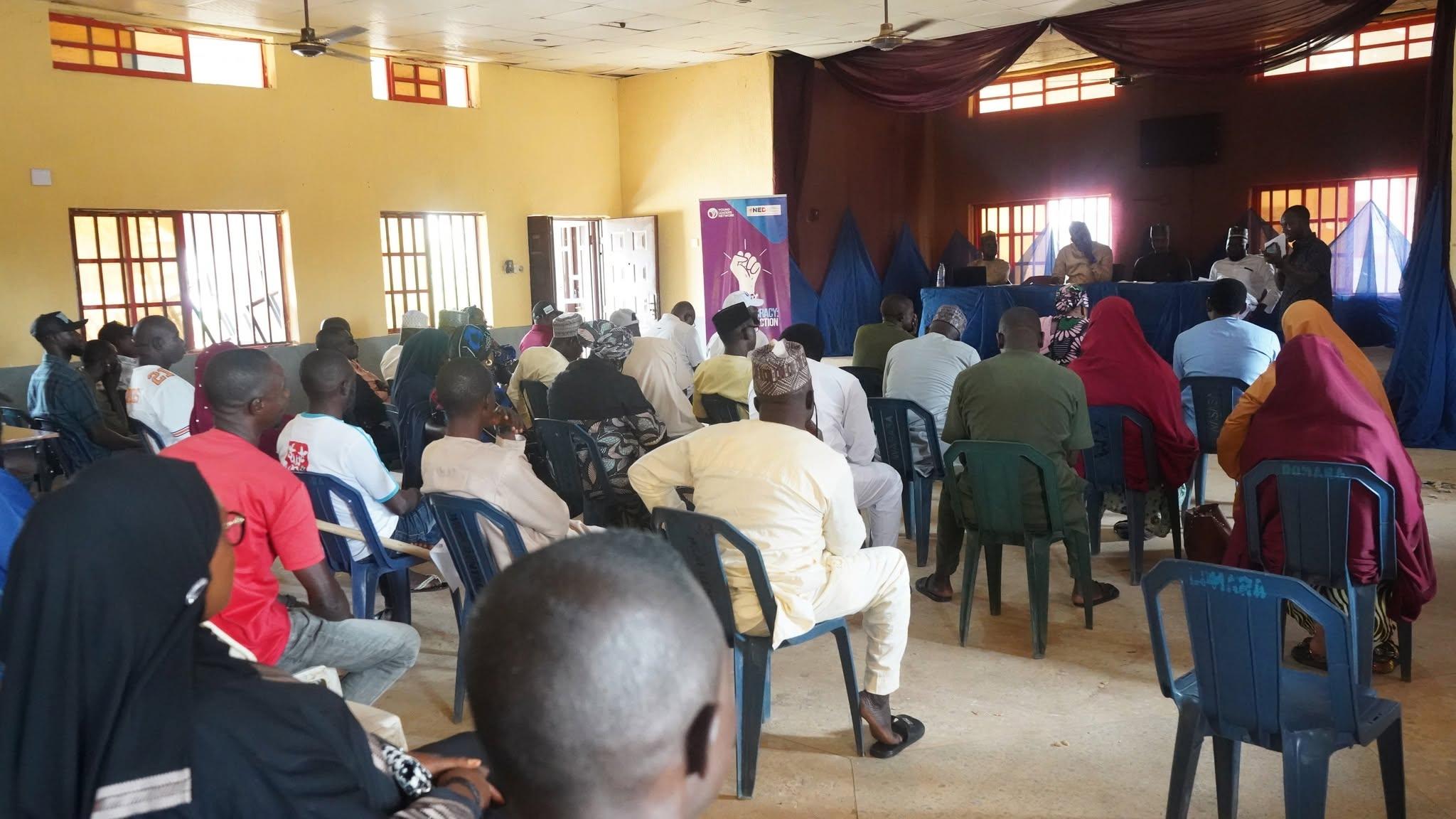
Most citizens in Doma Local Government, Nasarawa State, have never sat in the same room as their Executive Chairman. They may have voted in the election that brought him to office. They may have noticed the projects — or the absence of them — in their streets and communities. But a direct, structured conversation where leadership explains what it has done and citizens respond with their own questions? That is rarer than it should be.
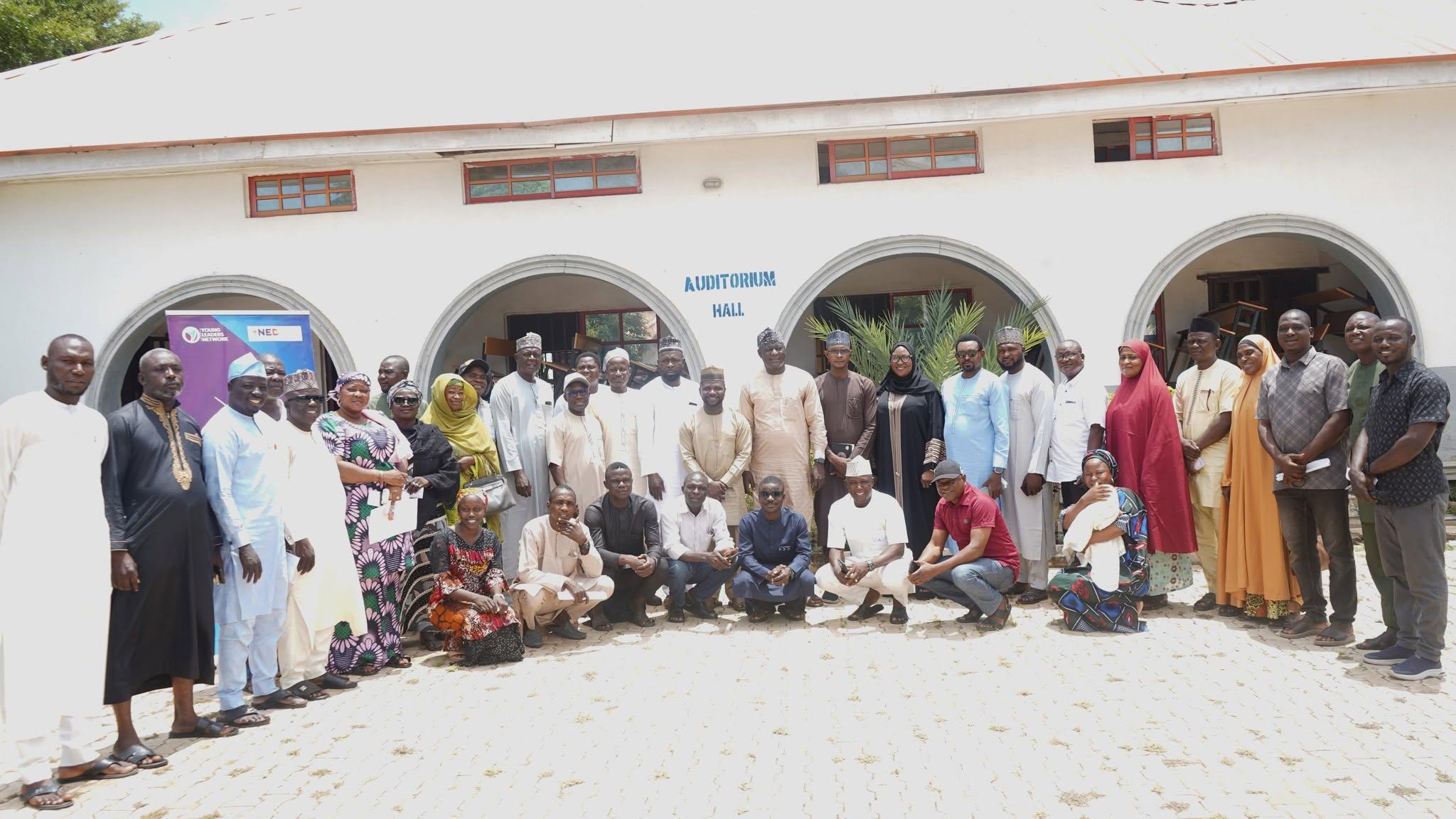
Young Leaders Network changed that when it convened the My LGA and I Forum in Doma — a deliberate platform designed to close the gap between elected officials and the communities they serve. The room brought together community members, youth representatives, civil society actors, traditional institution stakeholders, and the Executive Chairman of Doma Local Government, who presented a stewardship report on his administration's activities.
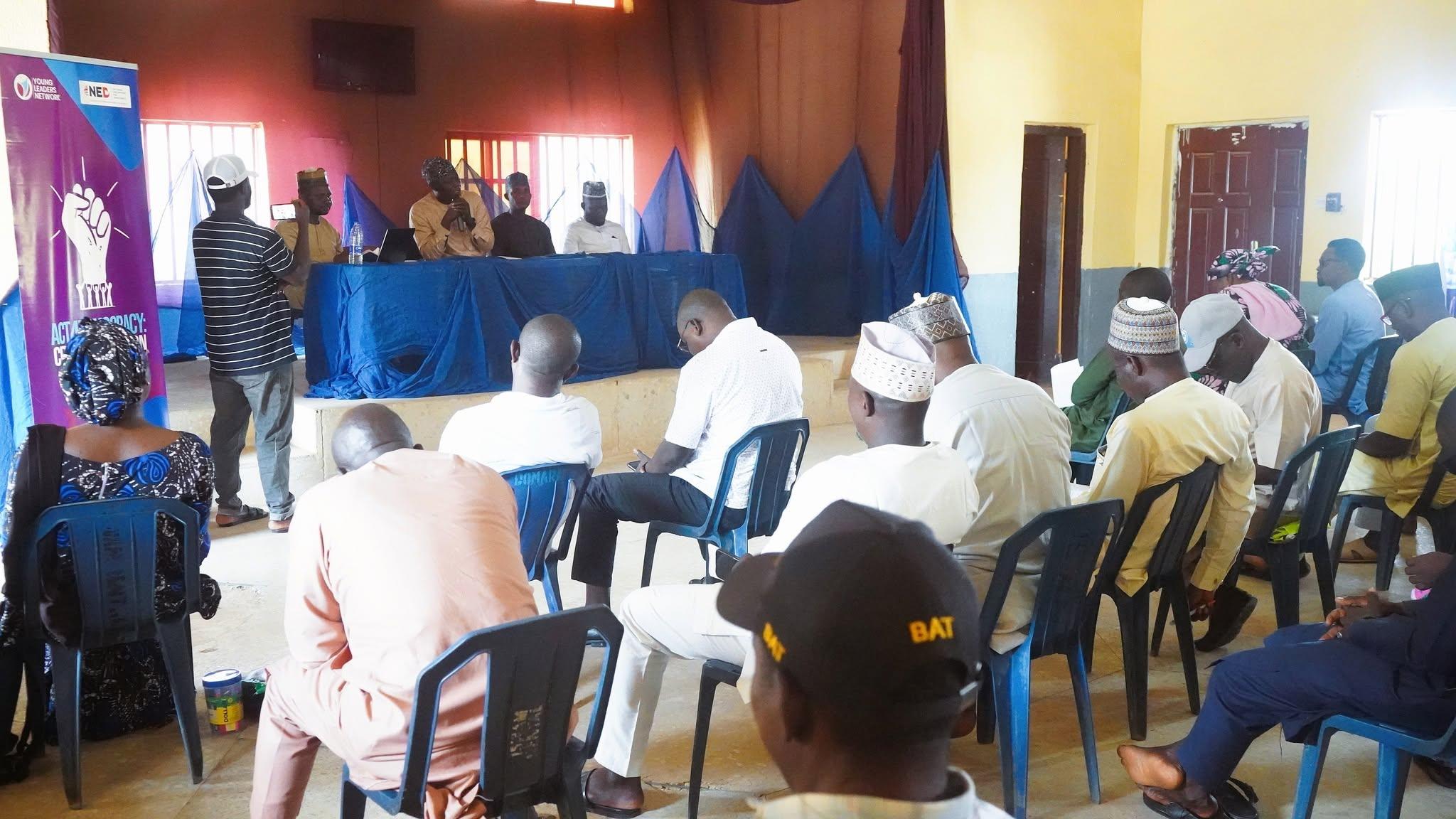
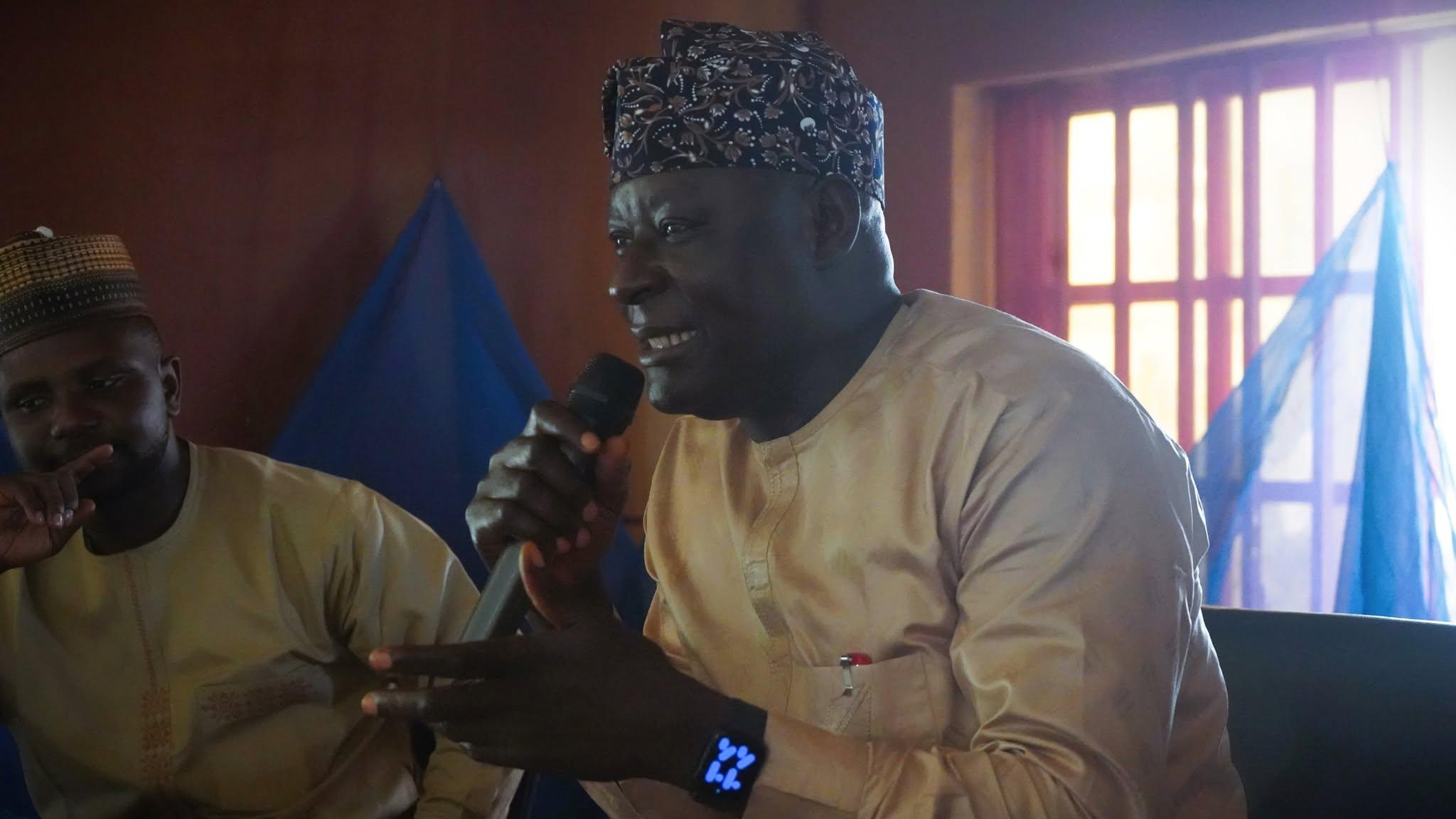
The Chairman's report covered concrete ground: plans for a dedicated anti-snakebite treatment centre — a genuine public health priority in a region where snake bites are a documented and often fatal hazard — alongside commitments to security, livelihoods support, workers' welfare, infrastructure monitoring, and collaboration with traditional rulers and other stakeholders. These were not abstract promises. They were actions the administration said it had taken or was in the process of taking, laid out in a format that citizens could assess and interrogate.
“Citizen participation should not end at elections. People should be able to understand what their government is doing, raise concerns, and track what happens afterwards.”
And interrogate they did. Citizens were given unstructured time to ask questions and raise the concerns that matter most in their daily lives — project completion rates, the practical accessibility of snakebite treatment, the state of drainage infrastructure, the condition of roads, revenue allocation questions, and the responsiveness of public services to community needs. The Chairman engaged with these concerns directly, acknowledging gaps and explaining constraints where they existed.
What made the forum significant was not just what was discussed, but how. There was no script for the citizen contributions, no curated applause, no courtesy questions. People spoke from lived experience — about the road they use every morning, the health facility their children depend on, the salary arrears that affect workers they know. And the Chairman had to respond in real time, in public, without the buffer of a press release or a spokesperson.
This is what local governance accountability looks like at its most practical. It is not an audit or an election — it is a conversation. A structured, documented, repeatable conversation that creates a public record: the Chairman said this, citizens asked this, the council committed to this. What happens next can be tracked. The My LGA and I Forum model is designed precisely for that follow-up — because YLN's position is that participation should not end when the forum closes.
At Young Leaders Network, the conviction driving this work is straightforward: citizen participation should not be a once-every-four-years exercise. People have a right to understand what their government is doing with public resources, to raise concerns through legitimate channels, and to track whether commitments made in public are followed through. The My LGA and I Forum is one mechanism for making that expectation real — not as aspiration, but as practice.
YLN's Act4Democracy programme, supported by the National Endowment for Democracy, has been building this kind of citizen-government interface across Bauchi, Nasarawa, and Plateau States. The Doma forum is part of that architecture — one session in a broader pattern of civic engagement that, over time, changes what communities expect from their leaders, and what leaders understand communities are watching.
Related Programme
Act4Democracy — Active Citizenship